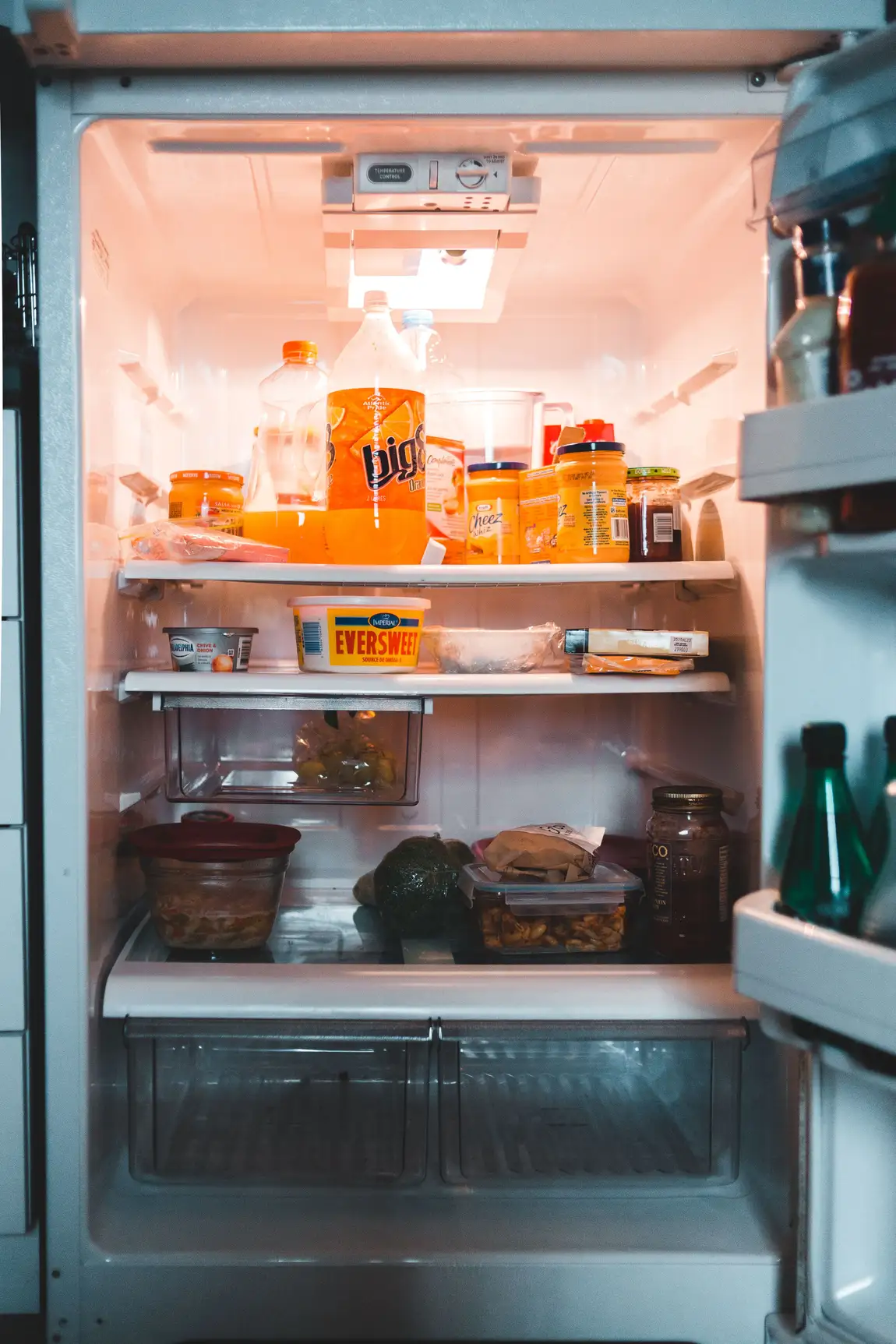
A refrigerator that runs too warm, too cold, or unevenly between the fridge and freezer sections often traces back to the thermostat, a temperature sensor, or the control board reading them — not the compressor itself. We test the control system before recommending a fix, since a bad sensor is a very different repair than a failing control board.
Temperature-control complaints in Sellwood come in a few different flavors, and they don't all point to the same part. A refrigerator section that's running warm while the freezer stays fine usually points to a damper or a sensor issue rather than the thermostat itself. A unit that's freezing food in the refrigerator section, or one where the dial setting doesn't seem to change anything, is more likely a thermostat or control-board problem. Because Sellwood's refrigerators range from older single-family-home units that have been in place for years to recently installed models in newer riverside builds, we see both mechanical dial thermostats and electronic control boards regularly, and the diagnostic approach differs for each. We test the actual temperature at multiple points inside the unit before assuming the thermostat is at fault, since a blocked vent or an overloaded shelf can produce the same uneven-cooling symptoms.
Sensor readings first, then the control logic behind them.
Testing whether the thermostat responds correctly when the dial or digital setting is changed.
Checking sensors in both the refrigerator and freezer sections for accurate readings.
Testing the control board that interprets sensor data and signals the compressor and damper.
Checking the damper and vents that distribute cold air, since blockages can mimic sensor failure.
A refrigerator that's silently running a few degrees warm doesn't always announce itself the way a total cooling failure does, but it puts food at risk just the same. The sooner a thermostat or sensor issue is addressed, the less food is at risk of spoiling in the meantime. Confirming the actual temperature at multiple points in the unit, rather than trusting the dial setting alone, is the difference between an accurate repair and one that doesn't actually fix the problem.

Thermostat and temperature-control repair costs vary depending on whether the fix is a simple sensor replacement or a full control-board swap. A single sensor is typically the more contained repair; a control-board failure costs more since the part itself is pricier and often requires matching it precisely to the refrigerator model. We test the sensors, thermostat, and control board together to identify exactly which component is failing before recommending a repair.
Straight answers — no clicking around.
Call Portland Refrigerator Repair to schedule a same-day or next-day thermostat diagnostic visit.
(888) 555-0123