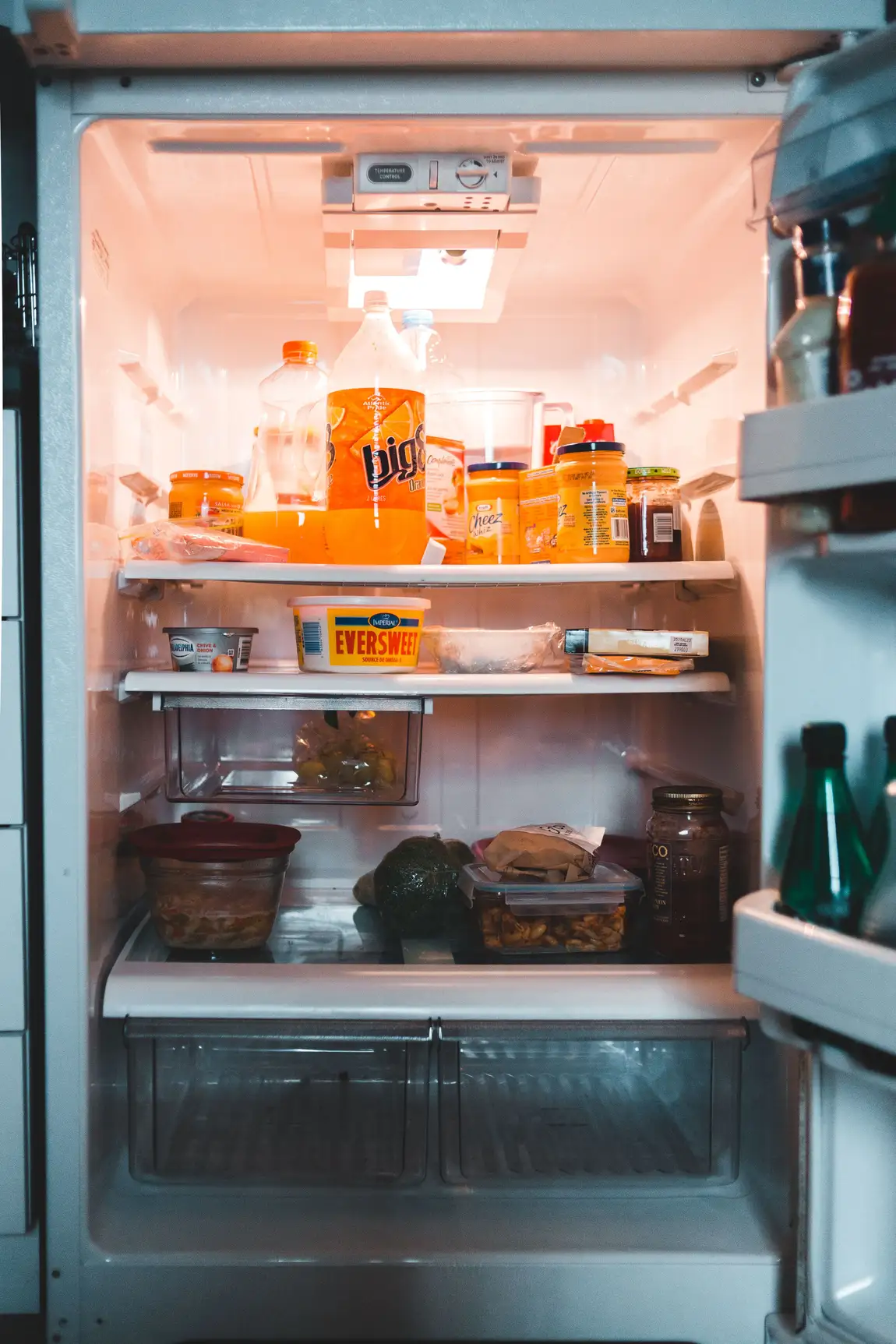
Getting a refrigerator through a Kenton bungalow's original doorways and hallways in the first place often means the unit was chosen for its footprint, not its features — and door seals on these older, narrower-clearance kitchens take a different kind of daily wear than a fridge sitting in an open modern layout. We check the full gasket, the hinge, and how the door swings in a tight space before recommending a replacement.
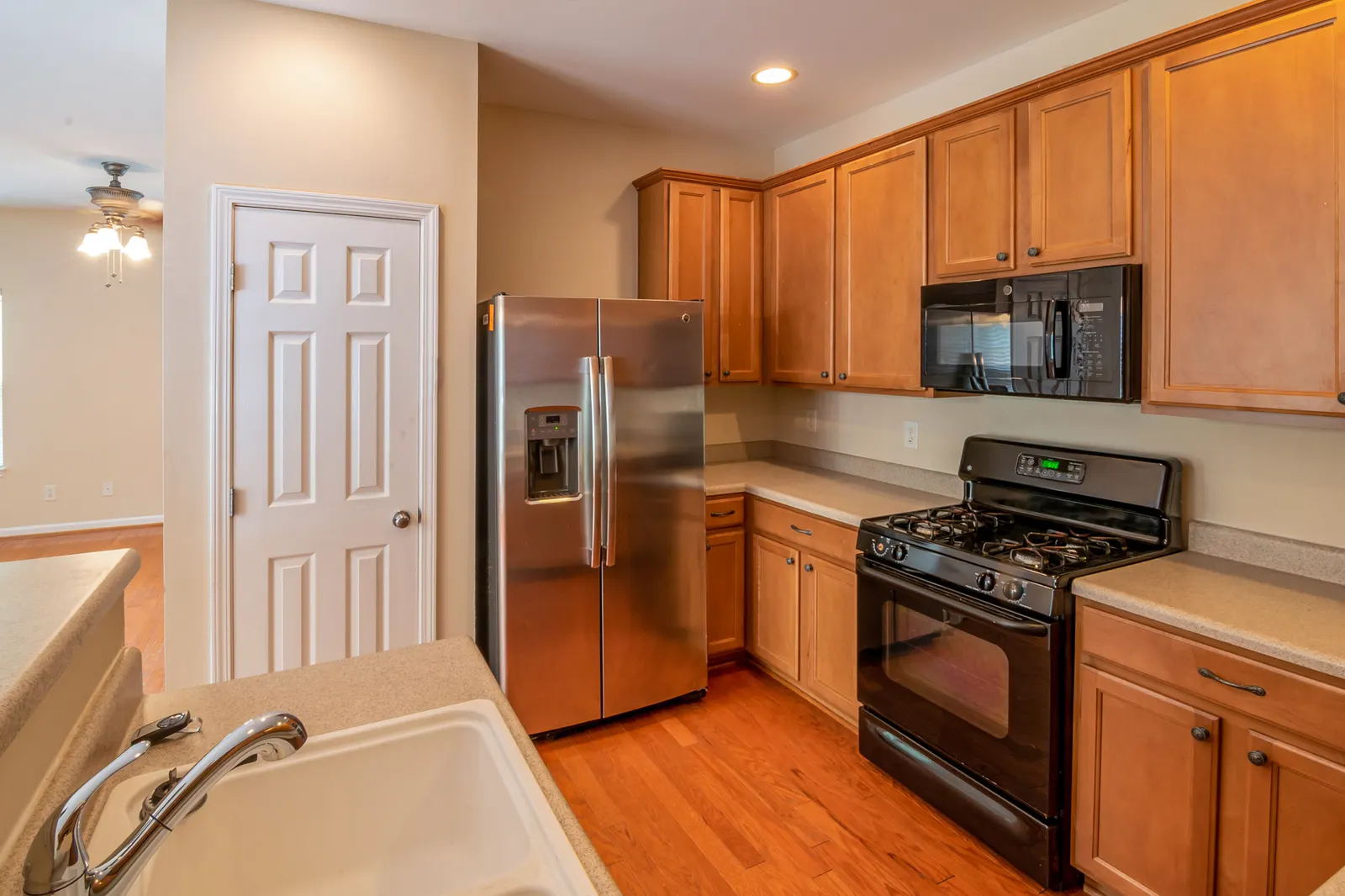
In many of Kenton's original cottages, the refrigerator door doesn't have the full swing radius a newer kitchen would allow, so the door often gets nudged shut at an angle rather than closed square — and that habit wears the gasket unevenly over time, cracking or flattening on one side well before the rest of the seal shows any wear. It's a slow leak that's easy to miss: the fridge keeps running and keeps cooling, it just works harder than it should while cold air escapes along that one worn edge. We inspect the full perimeter of the gasket along with the hinge alignment and how much clearance the door actually has to swing, since fixing the seal without addressing a tight-swing habit just means the new gasket wears the same way.
The same diagnostic path, every visit.
Checking the full perimeter of the door gasket for cracks, tears, or uneven wear.
Testing whether the door hangs level and closes flush against the cabinet.
Checking whether a tight kitchen layout is forcing the door to close at an angle.
Confirming whether the seal issue has been forcing the compressor to overwork.
Replacing a gasket without correcting how the door actually closes just repeats the same wear pattern on the new part. In Kenton's tighter kitchens, we look at whether cabinetry, a wall, or another appliance is limiting the door's swing and forcing an angled close, and we address that alongside the gasket itself so the fix actually lasts.

Straight answers — no clicking around.
Call Portland Refrigerator Repair to schedule a same-day or next-day door seal diagnostic visit.
(888) 555-0123